How-To Step By Step
August 26, 2026
Getting Started with Your Safety Harness
Choosing and using the right safety harness is one of the most important decisions you'll make on the job. Whether you're working at height for the first time or upgrading your equipment, understanding the basics will help you stay safe and work with confidence.
Selecting the Right Harness for Your Work
Not all harnesses are created equal. The type of work you do, the height you're working at, and the environment all play a role in determining which harness is right for you. Start by identifying your primary use case—are you doing construction, utility work, rescue operations, or general maintenance? Once you know your application, look for harnesses that are certified for that specific work and meet the relevant safety standards in your region.
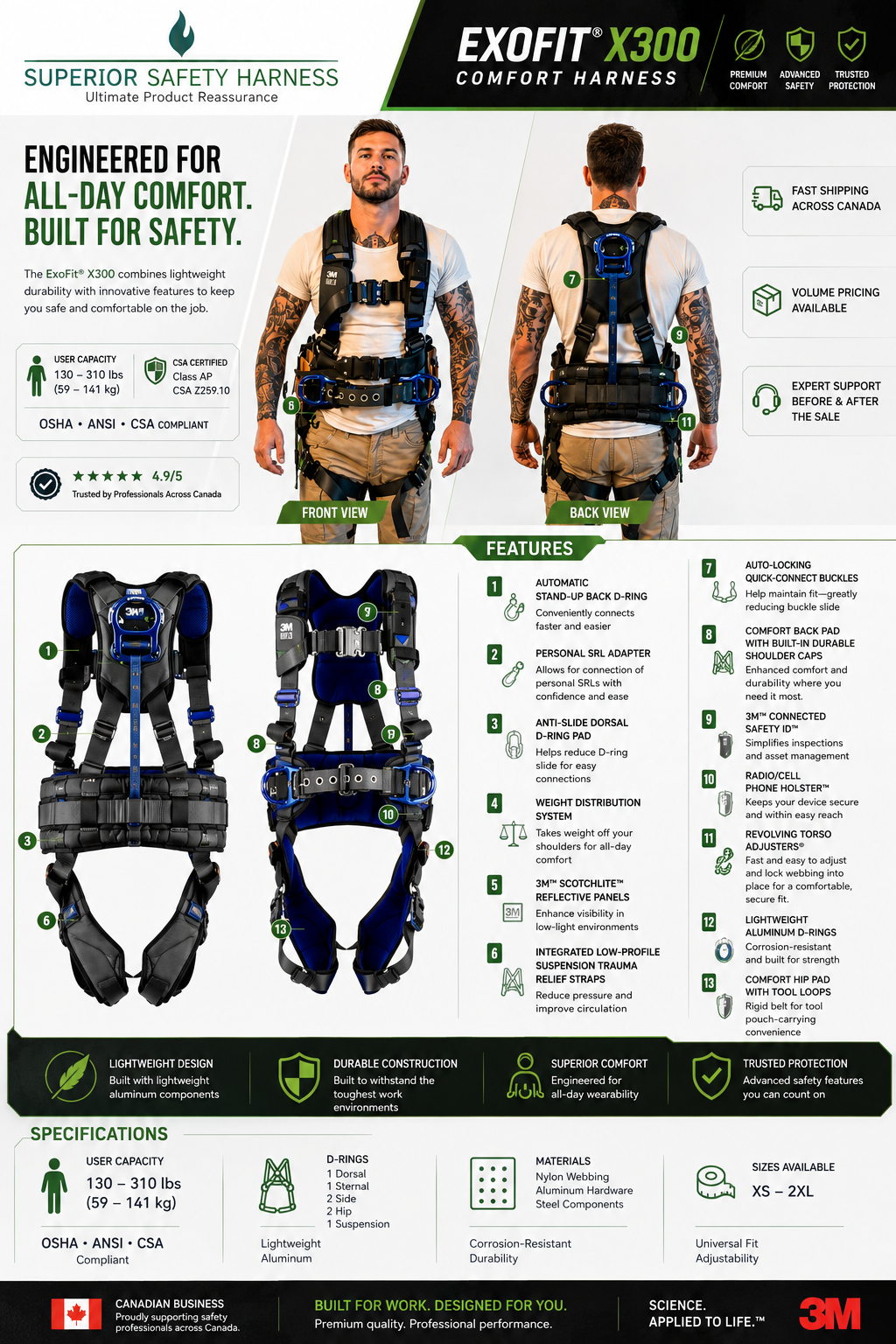
Weight distribution matters more than you might think. A harness that spreads your weight evenly across your body reduces fatigue and keeps you comfortable during long shifts. Look for models with padded shoulder straps and a wide waist belt that won't dig into your sides.
Proper Fitting and Adjustment
A harness that doesn't fit properly won't protect you effectively. Start by putting on the harness with all straps loose. Slip your arms through the shoulder straps first, then fasten the chest strap snugly but not so tight that it restricts breathing. Adjust the waist belt so it sits at your natural waist and is snug enough that you can't slide more than one finger underneath.
All leg straps should be adjusted so they're firm but not cutting off circulation. You should be able to fit two fingers between the strap and your leg. Take time to adjust each strap carefully—this is not a step to rush.
Inspecting Your Harness Before Use
Before every shift, do a quick visual inspection. Look for cuts, fraying, discoloration, or any signs of wear on the webbing. Check all stitching for damage and ensure all buckles and attachment points are secure and functioning smoothly. If you notice any damage, remove the harness from service immediately and have it repaired or replaced by the manufacturer.
Pay special attention to areas that experience the most stress—shoulder straps, leg straps, and the D-ring attachment points. These areas wear faster than others and should be inspected carefully.
Connecting to Your Anchor Point
Your anchor point is critical to your safety. It must be capable of supporting at least 5,000 pounds of force and be positioned above your waist when you're wearing the harness. Never tie off to pipes, conduit, or anything that could break or shift under load.
Use a lanyard or self-retracting lifeline that's appropriate for your work height and environment. Keep your lanyard as short as practical to minimize fall distance. Always maintain three points of contact when climbing or moving between anchor points.
Care and Storage
Proper care extends the life of your harness and keeps it safe to use. After each shift, wipe down your harness with a damp cloth to remove dirt and debris. Store it in a cool, dry place away from direct sunlight, chemicals, and extreme temperatures. Never store a harness in a damp basement or hot vehicle—UV exposure and moisture degrade the materials over time.
If your harness has been involved in a fall or impact, it should be inspected by the manufacturer before use, even if it looks undamaged. Internal webbing damage may not be visible to the naked eye.
Training and Certification
Using a harness correctly requires training. If you're new to working at height, take a certified fall protection course in your area. These courses cover harness selection, fitting, anchor point identification, and rescue procedures. Many employers require this training before allowing workers to use fall protection equipment.
Stay current with your training and refresh your knowledge regularly. Safety standards and best practices evolve, and staying informed keeps you and your team protected.